+256 782 732 352
info@efp-uganda.org
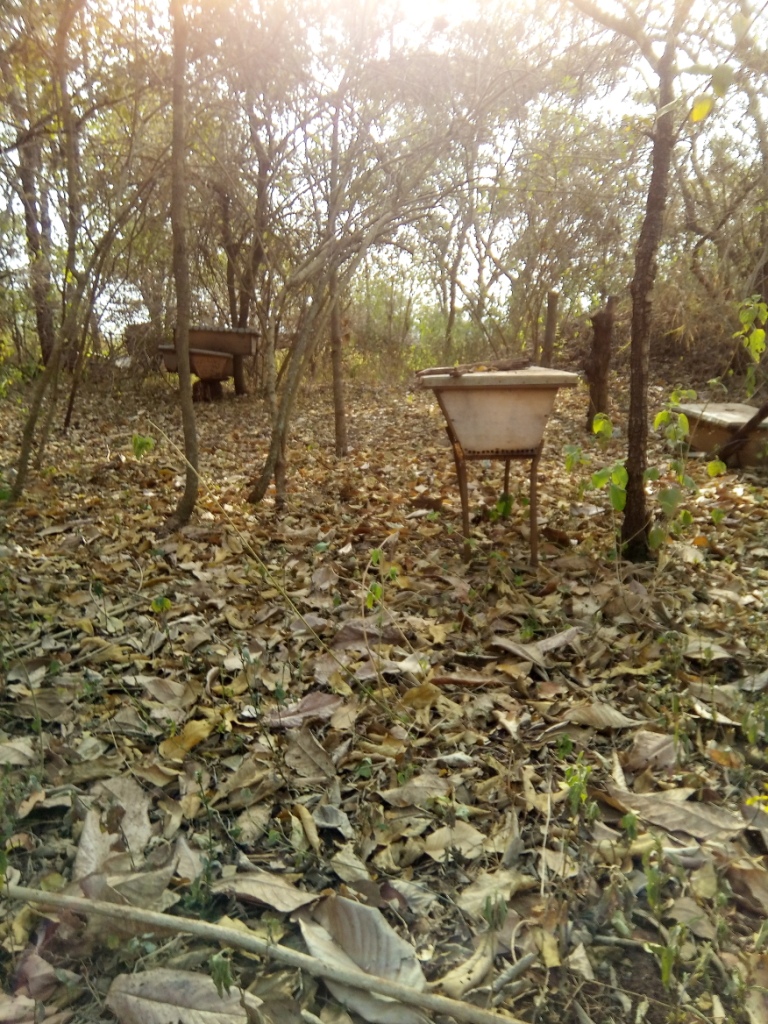 Is an innovative Social enterprise of Empowerment for the Poor- Uganda that promotes organic wild honey and other bee by-products to support livelihoods, biodiversity conservation, and environmental sustainability. Our brand Ameth Bees is meant to provide extra organic wild honey and other bee by-products (wax, venom and propolis) with high healing properties to prevent and heal diseases to end-users as a venture to create job opportunities for youth and women surrounding Queen Elizabeth National park
Our Background.
The venture is a response to rampant killing of wild animals in the park for economic survival to an extent of killing rare species line climbing lions, African elephants and chimpanzees which was disastrous to the ecosystem and nature biodiversity.
Equally worrying, this practice of poaching had resulted into death of over 300 household heads having been killed by wild animals in the park as they doing poaching and charcoal burning, hence leaving behind many widows and orphans who were helpless and prone to starvation.
A social venture to create an alternative source of income for these communities through beekeeping was therefore created. This venture aim at harvesting huge quantities of 100% organic honey, add value on other bee products, creating many bee related businesses to empower the community, conserve the environment and the same time transforming the lives of many orphans and widows
The market gap
Uganda is underutilizing its potential in organic wild forest honey production tapping only 1% (5000 metric tons) of its estimated 500,000 metric tons annual capacity. Meanwhile, the global honey market faces a significant deficit of 3.6 million metric tons per year. Locally, contaminated honey and low production volumes fail to meet domestic demand, underscoring the need for sustainable beekeeping practices that support livelihoods, biodiversity conservation, and environmental sustainability.
Furthermore, although East African countries (Uganda, Kenya, and Tanzania) and Ethiopia are licensed to export honey to the European Union. Domestic honey demands in these countries exceeds available supplies of honey hence unit prices per kilogram are elevated.
More still, the markets for other bee-products are still underdeveloped and this provides potential for expanding end-markets for the honey sub-sector. Most of these products which include: propolis, venom, wax are underexploited, in spite of available end-markets and proven technologies to utilize them. Therefore, our bee keeping venture has an enormous potential to galvanize the income of poverty-stricken local people.
Our services
We aim to provide the following services:-
Benefits:
The benefit of this venture is to:
Relevance of the venture to the target beneficiaries